

What is Landscape Photography?
Jan 16, 2025
What is Landscape Photography?
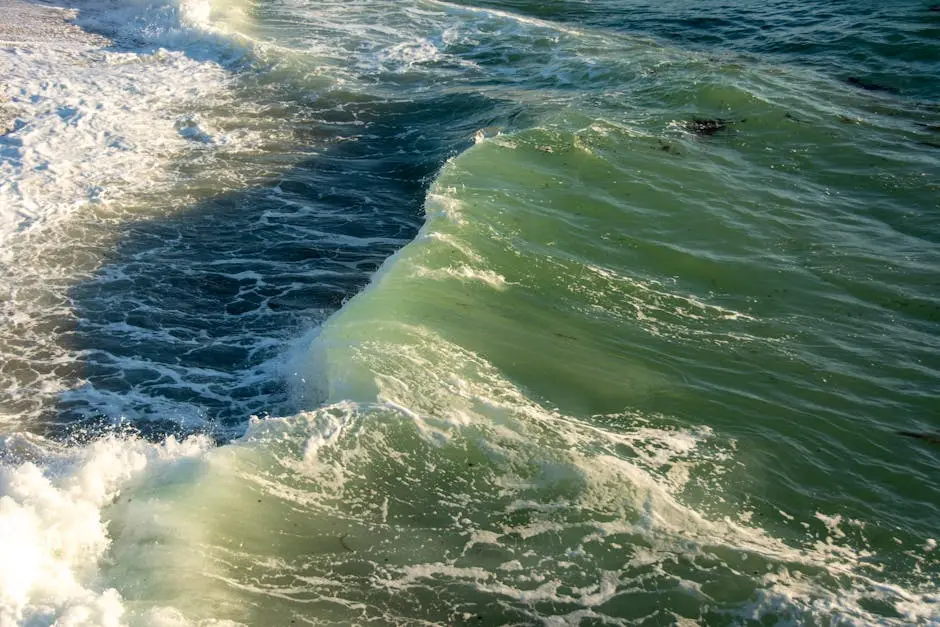
Landscape photography is a genre that focuses on capturing the beauty of natural scenes, such as mountains, forests, beaches, and more. It aims to convey the feeling and ambiance of a location.
At its core, landscape photography serves as a visual representation of the environment. It allows photographers to express their connection with nature, revealing the breathtaking scenes that many may overlook in daily life.
Whether you're standing atop a rugged cliff, gazing at the expansive ocean, or wandering through a tranquil forest, the essence of landscape photography lies in its ability to portray the vastness and detail of our planet's beauty.
Moreover, landscape photography often transcends mere representation. It evokes emotions and tells stories by capturing fleeting moments, changing seasons, and the stark contrasts found in nature.
The Importance of Composition
Composition is key in landscape photography. Understanding elements like the rule of thirds, leading lines, and framing can help create visually compelling images.
By utilizing the rule of thirds, a photographer can place points of interest along imaginary grid lines, which naturally draws the viewer’s eye and encourages exploration of the entire scene.
Leading lines can guide the viewer's attention through the image, enhancing the path through which they can experience the landscape. This could be a winding river, a dirt path, or even the horizon.
Additionally, framing is an often-overlooked aspect that can enrich a landscape photograph. Incorporating elements such as tree branches or rocks in the foreground can create depth, making the viewer feel as if they are part of the scene.
Choosing the Right Equipment
Selecting the proper camera and lens is essential for landscape photography. A good tripod, filters, and high-quality lenses can greatly enhance your ability to capture stunning landscapes.
When venturing into the realm of landscape photography, consider investing in a DSLR or mirrorless camera that permits interchangeable lenses, giving you the flexibility to adapt to various shooting conditions.
Prime lenses are fantastic for capturing details, while wide-angle lenses allow you to encompass entire landscapes, immersing viewers in expansive views. Each lens has its charm and utility.
Don't underestimate the usefulness of a sturdy tripod. It stabilizes your camera for long exposures, essential for capturing smooth water or vibrant star trails at night.
Timing and Lighting
The best landscape photographs often depend on timing and lighting. Early mornings and late afternoons are ideal for capturing the golden hour light that adds depth and warmth to your images.
This magic hour occurs shortly after sunrise and before sunset, when the sun’s rays are softer and more diffused. The warm, golden tones can transform even the simplest landscape into a masterpiece.
Additionally, pay attention to the weather. Dramatic clouds can enhance the mood of your photographs, while clear skies might lack the intrigue that a stormy backdrop can provide.
Lastly, consider the seasons. Each offers unique beauty—spring blossoms, summer greenery, autumn leaves, and winter snowscapes. Timing your shoots with the seasons can lead to captivating results.
Post-Processing Tips
Post-processing can enhance your landscape photographs significantly. Familiarizing yourself with editing software can help you bring out colors, contrast, and dynamic range in your images.
Programs like Adobe Lightroom or Photoshop offer powerful tools to adjust lighting, enhance sharpness, and apply filters. Learning these techniques can take your images from good to breathtaking.
Be careful, though! Over-editing can lead to unnatural results. Aim for enhancement while keeping the image true to the beauty you originally captured. Subtle adjustments often yield the best outcomes.
Lastly, consider creating presets for consistency in your work. This ensures that your photos maintain a cohesive aesthetic, which can be incredibly valuable if you plan to share your portfolio.
Final Thoughts
In conclusion, landscape photography is an art form that invites you to explore and appreciate the beauty of the natural world. By understanding its principles and techniques, you can create stunning images that inspire others. So grab your camera, head outside, and start capturing the incredible landscapes around you!