

10 Tips for Mastering Acrylic Painting Techniques
Sep 15, 2025
1. Choose the Right Brushes for Your Style
Selecting the appropriate brushes can significantly affect your painting technique. Explore different shapes and sizes to find the ones that work best for your artistic style.
For instance, wide brushes are great for broad strokes and covering large areas, while fine-tipped brushes allow you to add intricate details. Don’t forget to consider the bristle type; synthetic brushes often work better with acrylic paints due to their resilience and ability to hold the paint.
Lastly, remember that your brush choice can evolve as you develop your unique style. Experimenting with different brushes not only expands your technical skills but also inspires creativity, opening doors to new techniques you might not have imagined!
2. Understand Color Mixing Essentials
Mastering color mixing is crucial for achieving the desired hues and tones in your acrylic paintings. Learn about the color wheel and how to create secondary and tertiary colors.
One useful practice is to create a color chart, where you mix your primary colors and document the results. This reference guide will be invaluable, especially when venturing into the world of color mixing during your painting sessions.
Additionally, understanding warm and cool colors can help to convey specific moods in your artwork. Warm colors often evoke feelings of warmth and joy, while cool colors can create a calming atmosphere. By learning to carefully manipulate color relationships, you will enhance not only your paintings but also your overall artistic expression.
3. Experiment with Layering Techniques
Acrylic paints dry quickly, making them perfect for layering. Experiment with thin layers to create depth and texture in your paintings.
Start with a base layer to set the foundation of your painting, then progressively add additional layers to build detail. Each layer can bring a new dimension to your work, making it visually intriguing. Don’t hesitate to allow each layer to dry completely before applying the next; this will give your artwork a clean and polished look.
Additionally, learn to use techniques such as glazing, where a transparent layer of color is applied over a dry underpainting. This not only enhances the color saturation but creates a luminous quality that can bring your artworks to life!
4. Explore Different Application Methods
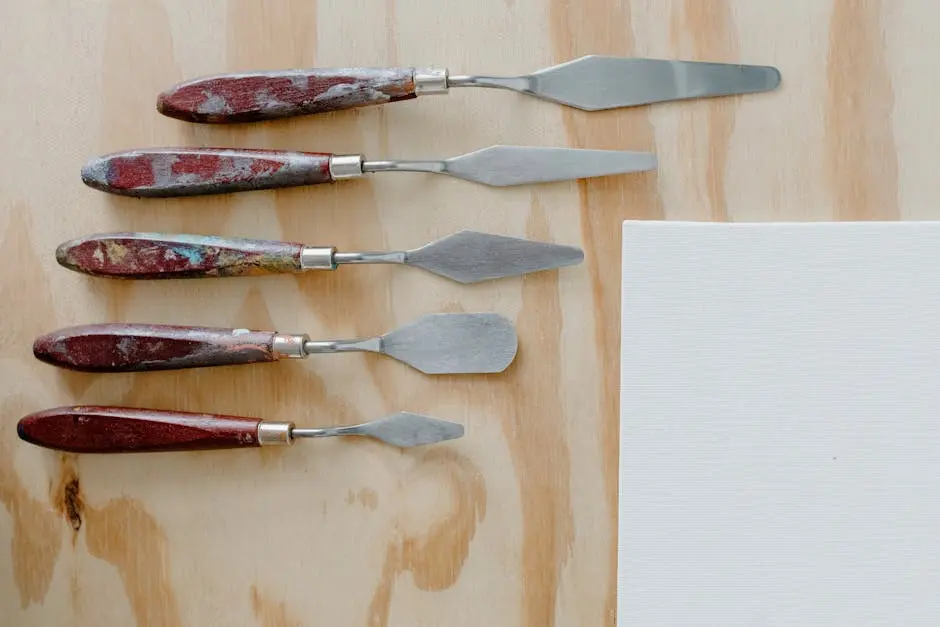
Try out various methods of applying paint, such as pouring, stippling, or using palette knives, to add unique effects to your artwork.
Each technique opens new avenues for creativity and expression. For example, pouring can create mesmerizing abstract patterns, while stippling can add a pointillistic touch to your work. You'll discover that these methods not only enhance your skill set but also keep your creative juices flowing.
Don’t limit yourself; playing with different application styles is an excellent way to break out of artistic routines. Allowing spontaneity into your work can lead to unexpected but delightful surprises that elevate your art.
5. Utilize Glazing Techniques for Depth
Glazing involves applying a transparent layer of color over a dry base layer. This technique can add luminosity and complexity to your paintings.
The beauty of glazing lies in its subtlety. By choosing the right transparent color, you can transform an ordinary piece into a captivating artwork that plays with light and shadow. Start with a basic glazing medium mixed with your preferred color and experiment on a small canvas.
As you gain confidence, you will find that glazing not only enhances depth but also allows for beautiful layering of colors. Imagine how your landscapes will glow with the right application, enticing viewers to delve deeper into your artistic world!
6. Master Brush Techniques for Texture
Different brush strokes can create various textures. Practice techniques like dry brushing and wet-on-wet to enhance the visual interest of your paintings.
For example, dry brushing can create a lovely, fuzzy effect that can be fantastic for reflective surfaces, while wet-on-wet allows colors to blend seamlessly for beautiful gradients. Experimenting with these two techniques can significantly elevate the richness of your artwork.
By continuing to explore brush techniques, you will uncover a variety of textures that can either invite or challenge the viewer's gaze. After all, each texture adds dimension to your art, creating immersive experiences that draw people in.
7. Learn about Acrylic Mediums and Additives
Acrylic mediums can alter the properties of the paint, such as drying time and texture. Familiarize yourself with these tools to expand your creative options.
From retarders that slow down drying time to gels that add a thicker consistency, mastering these products allows you to manipulate how your acrylics behave on the canvas. This versatility gives you the freedom to experiment and push the boundaries of your artwork.
As you gain experience, you will discover which mediums work best with your style. So don’t shy away from exploring and testing various additives. The key is to allow these mediums to enhance your technique rather than overshadow it!
8. Incorporate Mixed Media for Unique Effects
Don't hesitate to combine acrylics with other materials like inks, pastels, or collage elements to create mixed media art with depth and variety.
The combination can lead to incredibly rich layers and unexpected textures that purely acrylic paintings might lack. For instance, pairing acrylics with charcoal can impart a dynamic contrast, enhancing both medium’s qualities.
By incorporating mixed media into your work, you enter a world of creativity where the only limit is your imagination. So dive in and be bold; mixing different materials opens a path to truly unique and personal expressions!
9. Practice Regularly and Keep a Sketchbook
Regular practice is essential for skill development. Keep a sketchbook to experiment with ideas and techniques without the pressure of a finished piece.
Doodling, sketching, and practicing different techniques can help refine your skills over time. The more you play around with different styles and mediums, the more confident you will become in your ability to create.
Think of your sketchbook as a playground where you can freely explore without judgment. By transforming your creative thoughts into sketches, you empower yourself to make artistic choices with ease, helping you progress on your acrylic painting journey.
10. Seek Feedback and Join a Community
Sharing your work and receiving constructive feedback can help you grow as an artist. Join local art groups or online communities to connect with fellow artists.
The camaraderie you develop within these spaces can be both inspiring and motivating. From sharing tips to discussing techniques, being part of a community enriches your learning experience and fosters a sense of belonging.
Engaging with other artists not only allows you to receive feedback but also encourages you to learn from others’ successes and challenges. So step out of your comfort zone and connect; you may find friendships that will last for a lifetime!