

Abstract Sketch: A Journey Through Shades and Lines
Sep 12, 2025
Understanding Abstract Art
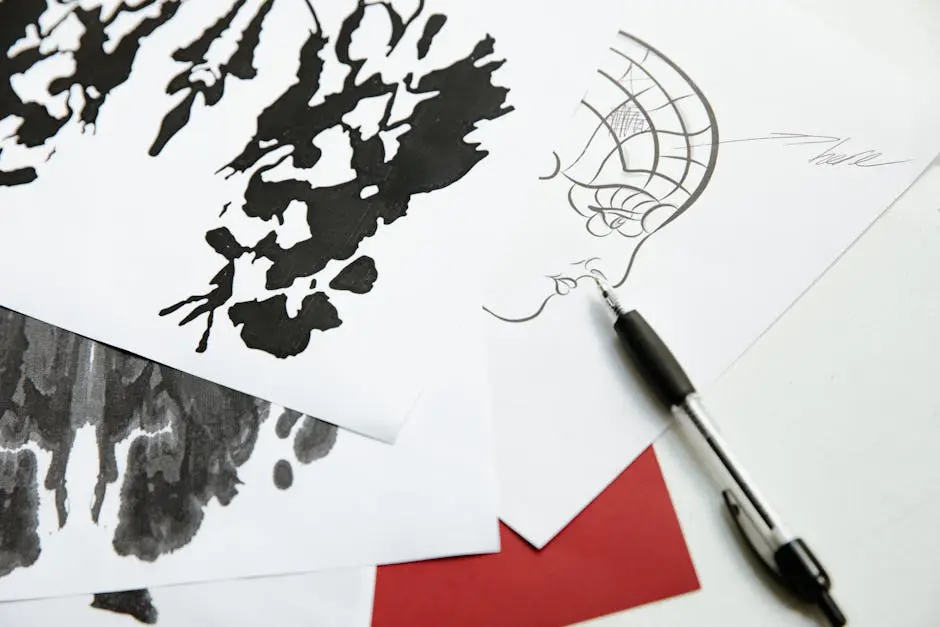
Abstract art breaks away from traditional representation and focuses instead on shapes, colors, and forms. It can be freeing, allowing artists to express emotions and thoughts in a purely visual language. Here, we’ll discuss how abstract sketches differ from realistic drawing and the foundational concepts behind abstract art.
At its core, abstract art invites viewers to interpret works in personal and unique ways. This subjectivity transforms an ordinary sketch into a personal exploration of the self. Through playing with colors and forms, artists can delve deep into their psyche, revealing layers of meaning that may not be clear at first glance.
The freedom found in abstract sketching encourages experimentation. It’s not about replicating what you see but capturing the essence of a moment or feeling. Whether you’re combining random shapes or letting your hand move spontaneously across the page, you’ll discover that the journey is often just as important as the destination.
Tools and Materials for Abstract Sketching
To begin your abstract sketching journey, it's essential to have the right tools at hand. This section will cover various materials—from pencils and charcoal to digital tools—that can enhance your creative process. Learn about the different effects each medium offers and how to choose what's best for your style.
For beginners, a simple pencil or charcoal can be your best friends. They allow you to experiment without the pressure of commitment; each stroke can be reshaped and redefined. As you advance, consider adding watercolor or ink to your toolkit. These mediums can introduce vibrant colors and exciting textures to your abstract sketches.
Don't overlook digital tools either. Many artists today use tablets and drawing software to create their artwork. These platforms offer various brushes and effects, making it easier to explore new dimensions in your sketches. Whichever tools you choose, remember that they should serve your artistic voice, not confine it.
Techniques for Creating Depth with Shades
Shading adds depth and dimension to your sketches. In this part, we will explore techniques for creating effective shading in abstract sketches. From gradient fades to contrasting shadows, discover how to use hues to evoke feelings and add layers to your artwork.
One technique worth mastering is the use of cross-hatching. By layering lines in different directions, you can create areas of darker shade while maintaining the lightness of the paper. This method provides a tactile quality to your work, drawing viewers in to explore the nuances.
Conversely, using a soft blending tool can create smooth transitions between shades, generating an ethereal feel in your pieces. Experimenting with both hard and soft shading techniques can yield fascinating contrasts, allowing you to manipulate light in ways that elevate the overall composition.
The Role of Lines in Abstract Composition
Lines can convey movement, emotion, and structure in abstract sketches. This section will delve into how different types of lines—curved, straight, thick, and thin—can influence the overall composition of your artwork. Learn how to use lines intentionally to guide the viewer's eye.
Thick, bold lines can evoke a sense of strength, while delicate, thin lines might suggest fragility. Mixing these line types not only adds interest but can also balance your composition, leading your audience through an emotional journey as they engage with your work.
Looping lines can introduce a sense of playfulness, drawing viewers in for a closer look. On the other hand, sharp angles and straight edges may create tension. Understanding how to manipulate these elements will enhance your ability to tell a story through your abstract sketches.
Finding Inspiration for Your Sketches
Inspiration can come from anywhere—nature, music, or even emotions. This section will share tips on how to cultivate your creativity and find inspiration for your abstract sketches. We’ll cover how to observe the world around you with an artistic eye.
One way to spark creativity is to take daily walks. Observe the interplay of colors and forms in your environment. You might notice how shadows create patterns or how light reflects off various surfaces. These observations will translate beautifully into abstract sketching.
Additionally, music can serve as a profound source of inspiration. Different genres evoke different emotions, influencing your choice of colors and shapes. Try sketching while listening to your favorite album; let the rhythm guide your hand, and see where it leads you!
Stretching Your Creative Boundaries
The beauty of abstract sketching lies in its limitless possibilities. Here, we encourage you to experiment with different styles, ideas, and concepts. Embrace failures, learn from them, and discover how pushing your creative boundaries can lead to unexpected and stunning results.
Don't be afraid to step outside of conventional boundaries. Try using non-traditional materials, such as twigs or leaves, to create textured elements on your paper. Sometimes, the most unconventional approaches lead to the most impactful works.
Focus on the act of creation itself rather than the end product. This mindset shift can liberate your artistic process. You’ll find that every experiment, every misstep, becomes a valuable part of your artistic evolution. Keep sketching, keep exploring, and allow your creativity to flourish without limitations.
Final Thoughts on Your Abstract Adventure
As we conclude our journey through shades and lines, remember that abstract sketching is more than just art; it’s a conversation between you and your canvas. Embrace the beauty of imperfection and let your creativity flow without constraints. Every sketch tells a story, and it's up to you to define its narrative.