

How Do Vivid Colors Enhance a Painting?
Feb 28, 2025
Understanding Color Theory
To appreciate how vivid colors enhance a painting, we first need to understand the basics of color theory. This includes exploring the color wheel, primary and secondary colors, and the psychological effects colors can have on our emotions.
The color wheel is a useful tool that helps artists and viewers alike visualize how colors interact. Complementary colors, which sit opposite each other on the wheel, can create striking contrasts, drawing our eyes to specific areas of a painting.
Equally important are warm and cool colors. Warm colors like reds and oranges tend to evoke energy and excitement, while cool colors like blues and greens are associated with calm and tranquility. This emotional resonance can greatly enhance the viewer’s experience.
Understanding these principles allows us to see how artists apply color to convey meaning. For instance, a landscape painted in vivid greens may suggest growth and vitality, while a sunset scene splashed with vibrant reds and oranges indicates warmth and energy.
Creating Contrast and Depth
Vivid colors can create contrast against muted tones in a painting, drawing the viewer's eye to focal points and creating a sense of depth. This technique can add layers and dimensions to the artwork, making it more engaging.
For example, an artist might use a bright yellow sun against a dark blue sky to make the sun pop. This type of stark contrast not only enhances visual appeal but also emphasizes the importance of the sun in the composition.
Moreover, artists can use vivid colors to guide the viewer’s journey through the painting. By strategically placing bright hues in certain areas, they can lead the eye from one part of the piece to another, creating a visual narrative.
This technique often invokes the illusion of depth. A vibrant foreground accompanied by deeper tones in the background can create a three-dimensional feel on a two-dimensional canvas, drawing us deeper into the artwork.
Evoking Emotions Through Color
Colors have inherent meanings and can evoke specific emotions. Bright reds might stir up feelings of passion, while vibrant blues can evoke calmness. We'll explore how artists use vivid colors to communicate feelings in their work.
This emotional connection is often intentional. For instance, an artist might choose bright yellow to convey happiness or joy, while muted tones could signify sadness or nostalgia. Understanding this can deepen our appreciation of their intent.
Furthermore, the combination of colors can create complex emotional responses. A painting featuring bright oranges and deep blues might evoke both warmth and sadness simultaneously, illustrating the complexity of human emotions.
By tapping into color psychology, artists can connect with their audience on a profound level. Vivid colors become bridges between the artist’s vision and the viewer’s feelings, allowing for shared experiences and interpretations.
Enhancing Narrative and Theme
Vivid colors often play a significant role in conveying the narrative or theme of a painting. We'll look at examples of how artists use these colors to reinforce the story or message they aim to express.
Take, for example, a painting that depicts a stormy sea. Artists might use dark blues and blacks to signify turmoil, while flashes of white could represent hope amidst chaos. These choices tell a story far beyond the literal image.
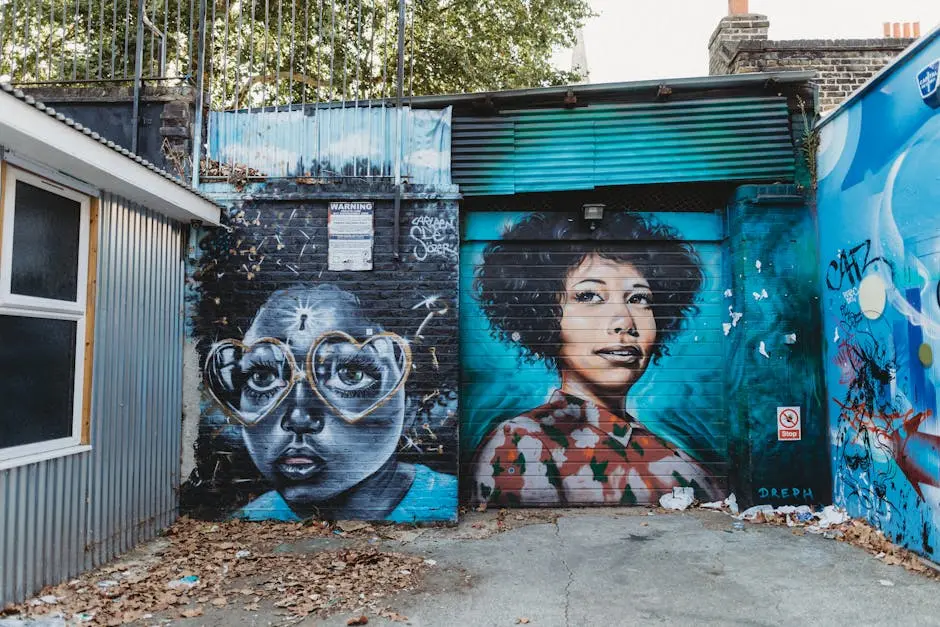
On the flip side, bright and lively colors in a mural can signify celebration and joy. Artists capitalize on the emotional impact of colors to communicate themes such as love, unity, and resilience, allowing audiences to engage more fully with the artwork.
Moreover, vivid colors help define genres within art. Impressionism, for instance, often utilizes bright colors to capture the essence of light and moment, while abstract art may use bold colors to provoke thought or convey a reaction.
The Role of Light in Color Perception
Light dramatically affects how we perceive colors. This section will delve into how different lighting conditions can impact the vibrancy of colors in paintings and the overall visual experience.
Natural light can enhance the brilliance of colors, making a painting appear more vivid during the day. Conversely, artificial light can alter color perception, sometimes dulling bright hues or casting shadows that obscure detail.
Artists often work with these dynamics in mind. Considering how a painting will look under various lighting can inform their color choices and overall composition, ensuring that the artwork retains its impact in any setting.
Additionally, light and shadow can create moods, wherein the same color appears different based on surrounding illumination. Thus, the interplay between vivid colors and light adds another layer to the storytelling in visual art.
The Impact of Vivid Colors on Art
In essence, vivid colors serve as both a tool and a language in the world of painting. They enrich the visual experience, convey emotions, and help tell stories. So the next time you admire a painting, take a moment to appreciate the vivid colors and the magic they bring.