

Unraveling the Mystique: Animal Motifs in Egyptian Art | Animals in Art Series
Mar 07, 2024
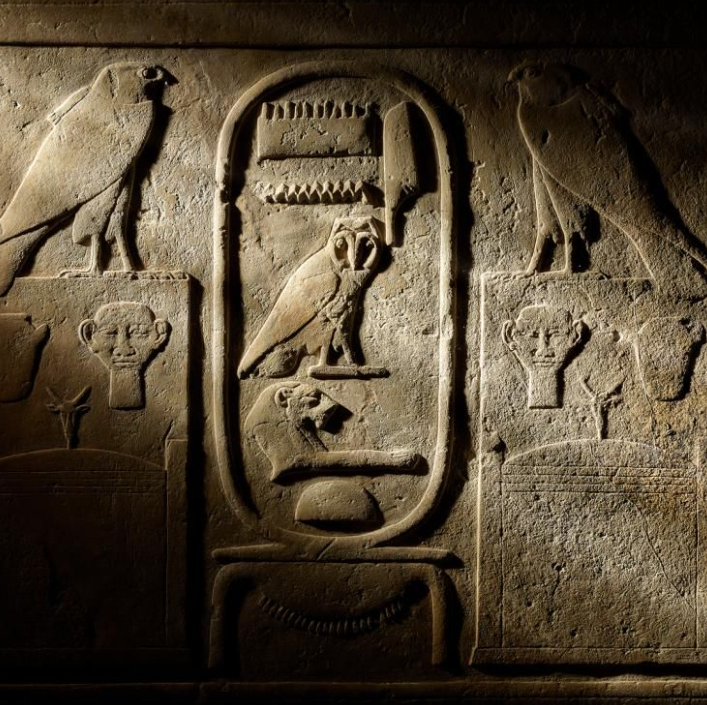
The art of ancient Egypt is an enigmatic tapestry, woven with symbols and motifs that hold deep cultural and religious significance. Among the most prominent elements decorating the walls of temples, tombs, and monuments are the depictions of animals. These creatures were not merely decorative embellishments but held profound symbolic meanings, reflecting the Egyptians' complex beliefs about the natural world, the afterlife, and the divine. In this exploration, we delve into the captivating realm of animal motifs in Egyptian art, unveiling their significance and enduring allure.
The Sacred Menagerie:
In the vibrant pantheon of ancient Egypt, animals played a central role, revered for their perceived connections to gods, natural forces, and cosmic powers. Among the most revered creatures was the falcon, embodying the god Horus, the sky deity associated with kingship and protection. Depicted with a falcon's head or as a falcon itself, Horus symbolized the Pharaoh's divine authority and guardianship over the land.
Another ubiquitous motif was the lion, representing strength, ferocity, and royal power. The sphinx, a mythical creature with the body of a lion and the head of a human or ram, epitomized the fusion of divine and earthly authority. Guarding the entrances to temples and tombs, the sphinx stood as a formidable protector, warding off malevolent forces and guiding souls to the afterlife.
The graceful feline form of the cat held a special place in Egyptian society, revered for its role in controlling vermin and protecting crops. Bastet, the goddess of home, fertility, and childbirth, was often depicted with the head of a lioness or a domestic cat, symbolizing maternal nurturing and domestic harmony. Cats were venerated as sacred beings, and their deaths were mourned with elaborate rituals.
The Nile River, the lifeblood of ancient Egypt, teemed with an abundance of aquatic creatures that inspired awe and reverence. Among them, the crocodile was both feared and revered, symbolizing fertility, rebirth, and the primal forces of creation and destruction. Sobek, the crocodile-headed god, was worshipped as a protector of the pharaoh and a harbinger of prosperity.
Symbolism and Allegory:
Beyond their literal representations, animal motifs in Egyptian art conveyed layers of symbolism and allegory, reflecting the interconnectedness of the natural and supernatural realms. The scarab beetle, revered for its role in the cycle of life and death, symbolized rebirth, transformation, and the eternal renewal of existence. Often depicted pushing the sun across the sky, the scarab embodied the concept of regeneration and the cyclical nature of time.
The ibis, with its distinctive curved beak, was associated with Thoth, the god of wisdom, writing, and magic. Revered as the patron deity of scribes and scholars, Thoth was believed to possess the power of divine knowledge, guiding souls through the afterlife and preserving the cosmic order.
Conclusion:
The animal motifs that adorn the walls of ancient Egyptian monuments are more than mere decorative embellishments; they are windows into a rich tapestry of cultural beliefs, religious practices, and symbolic meanings. From the majestic falcon to the enigmatic scarab beetle, these creatures served as conduits between the earthly realm and the divine, embodying the enduring mysteries and complexities of Egyptian civilization. As we unravel the significance of these motifs, we gain deeper insights into the profound reverence and awe with which the ancient Egyptians regarded the natural world and its inhabitants.