

The Sacred Companions: Exploring the Historical Use of Animals in Native American Art | Animals in Art Series
Mar 04, 2024
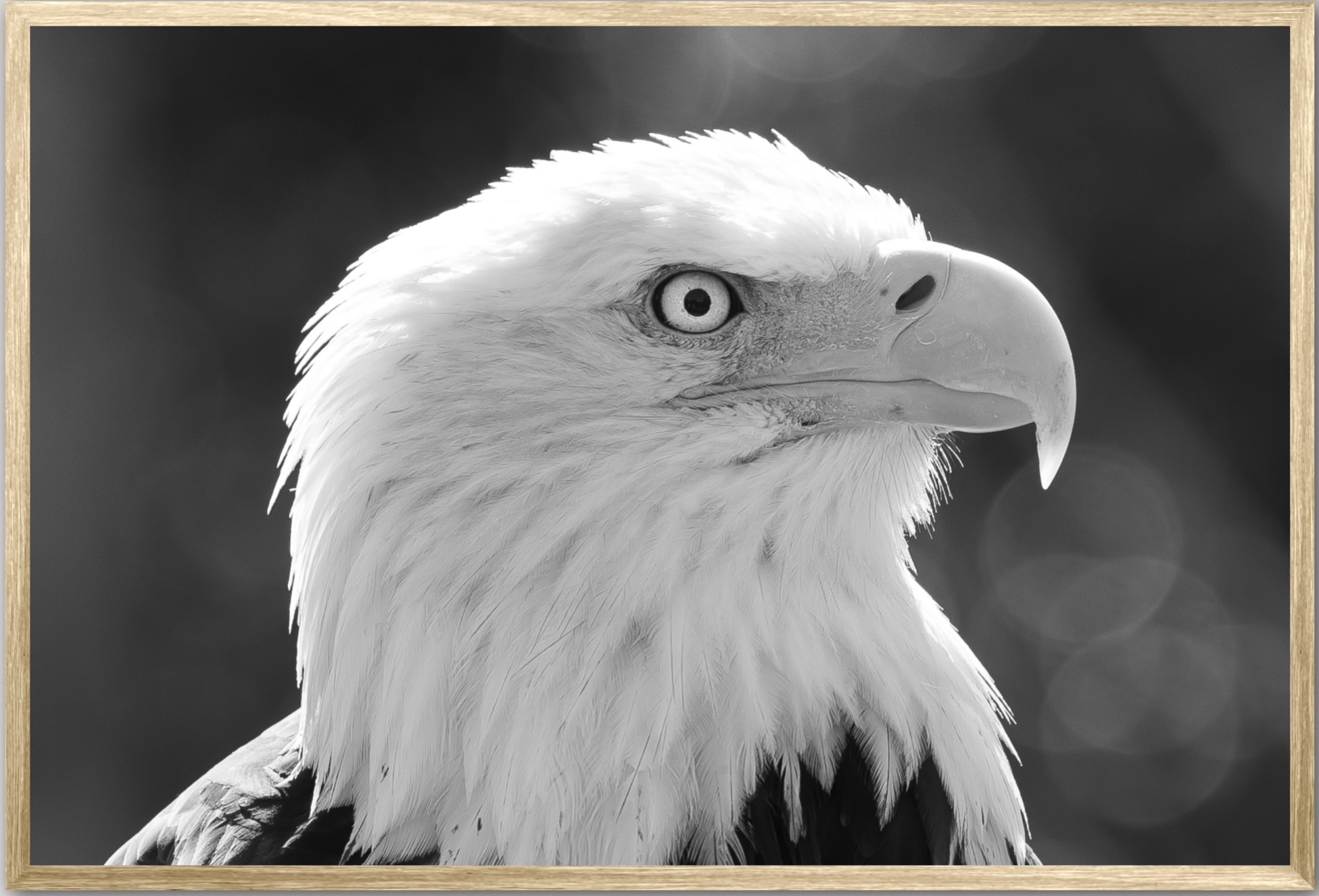
Photo of Bald Eagle by William Reed (as an example of a Native American spirit animal)
Throughout history, Native American art has served as a window into the rich cultural tapestry of indigenous peoples across the Americas. Among the myriad motifs and symbols found in their artwork, animals hold a particularly prominent place. These creatures are not merely decorative elements; they are imbued with deep spiritual significance, serving as messengers, guides, and symbols of power and connection to the natural world.
The Spiritual Bond with Animals:
For many Native American tribes, animals are viewed as sacred beings with their own unique spiritual qualities. Through intricate carvings, detailed pottery designs, and vibrant textiles, indigenous artists have depicted animals as revered symbols of strength, wisdom, and harmony with nature.
The Symbolism of Animal Motifs:
Each animal depicted in Native American art carries its own symbolic meaning, rooted in the cultural beliefs and spiritual practices of the tribes. The eagle, for example, is revered as a symbol of courage, vision, and divine communication in many Native American cultures. Similarly, the buffalo symbolizes abundance, resilience, and the interconnectedness of all living things.
Animals as Cultural Icons:
In addition to their symbolic significance, animals play a central role in Native American folklore, mythology, and ceremonial practices. For instance, the coyote is a prominent figure in the folklore of many Southwest tribes, often portrayed as a trickster and a symbol of adaptability. The salmon holds deep cultural significance for tribes of the Pacific Northwest, representing perseverance, renewal, and the cycle of life.
Artistic Techniques and Mediums:
The portrayal of animals in Native American art is as diverse as the cultures that create it. Artists employ a wide range of techniques and mediums, including beadwork, quillwork, painting, and sculpture, to bring their animal motifs to life. Whether rendered in intricate bead patterns or stylized geometric forms, these representations reflect the unique artistic traditions and aesthetic sensibilities of each tribe.
Preservation and Revitalization:
In recent years, there has been a growing recognition of the importance of preserving and revitalizing traditional Native American art forms. Organizations and initiatives dedicated to supporting indigenous artists and fostering cultural exchange have helped ensure that the legacy of animal symbolism in Native American art continues to thrive in the modern world.
Conclusion:
The use of animals in Native American art is a testament to the deep spiritual connection between indigenous peoples and the natural world. Through their intricate craftsmanship and rich symbolism, these artworks serve as reminders of the enduring wisdom and cultural heritage of Native American communities. By honoring and preserving these traditions, we not only celebrate the beauty of indigenous art but also reaffirm our shared responsibility to protect and cherish the planet and all its inhabitants.