

Exploring Wildlife Through the Lens of Narrative Art
Jan 17, 2025
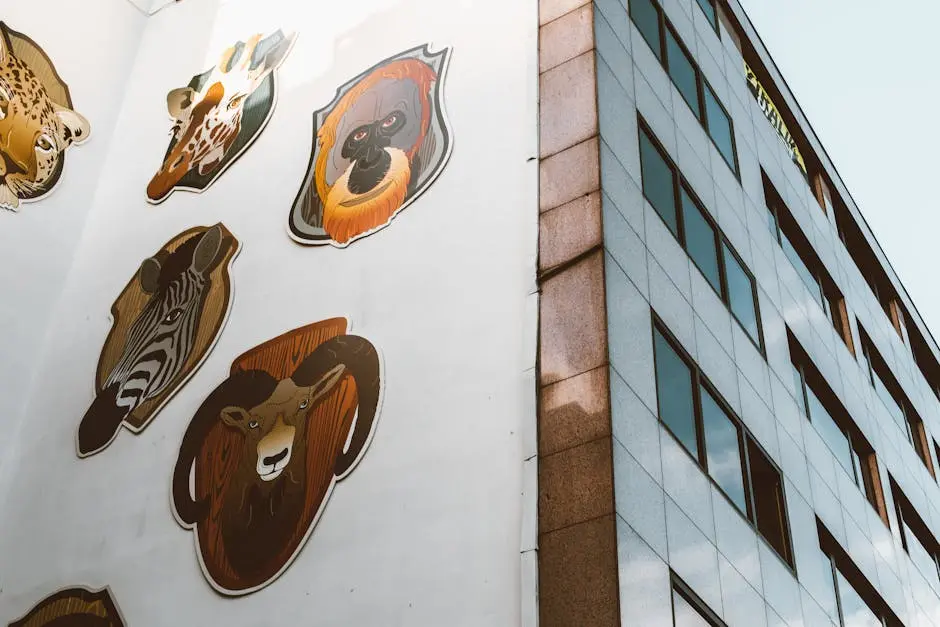
Narrative art offers a unique perspective, allowing us to experience the beauty of wildlife through compelling stories. This blog delves into how narrative art influences our appreciation of nature, weaving together emotions, visuals, and the tales of the wild. Join me as we explore the intersection of art and nature, uncovering the profound connections that influence our understanding of wildlife.
The Essence of Narrative Art: Telling Stories Through Imagery
Narrative art is not just about pleasing aesthetics; it's about storytelling. This section explores what narrative art is and how it serves as a medium for sharing stories that resonate with audiences.
At its core, narrative art weaves together visuals and tales, creating a tapestry that draws audiences in. Whether it is through painting, sculpture, or mixed media, the essence resides in the emotions conveyed. Think about how a simple painting of a forest not only captures trees and wildlife but also evokes memories of exploration and wonder. This relationship is what makes narrative art meaningful.
Moreover, the beauty of narrative art lies in its versatility. Artists can choose various styles and techniques to tell their stories, from realism to abstraction. Each choice adds layers to the narrative, inviting viewers to interpret the work through their own experiences. As we delve deeper into this section, we will see how the diverse narratives emerged shape the perception of wildlife across cultures.
Capturing the Wild: Techniques and Approaches
From painting to photography, various techniques allow artists to capture the essence of wildlife. This section dives into the different methods artists use to bring their wildlife narratives to life.
When it comes to capturing the wild, artists often find themselves challenged by the uniqueness of their subjects. Wildlife is unpredictable, and that spontaneity can elevate narrative art to extraordinary heights. Techniques like plein air painting, where artists create works outdoors, imbue their narratives with the fleeting moments of nature's beauty. Each stroke of the brush is influenced by the surrounding environment, allowing the viewer to experience not only the visual but also the atmosphere of the setting.
Photography, on the other hand, grants the privilege of capturing those elusive moments in time. Wildlife photographers often wait for hours—if not days—to catch a glimpse of their subjects. The rush of emotions when they finally click the shutter is palpable. This moment, frozen forever, tells stories of animal behavior and their habitats. As we explore this section, we will discuss other mediums such as digital art and mixed media, and how artists combine different approaches to enhance their narratives.
In addition to traditional techniques, new technology has allowed for stunning advancements in wildlife representation. Virtual and augmented reality provide immersive experiences, allowing viewers to step into the wild as if they were actually there. By integrating interactivity with narrative art, these mediums create active participants in storytelling, sparking curiosity about wildlife that goes beyond mere observation.
Emotional Connections: How Art Resonates with Our Experience of Nature
Art evokes emotions, and wildlife is no exception. Here, we discuss how narrative art creates a powerful emotional connection with wildlife, enhancing our appreciation and understanding of the natural world.
The interplay of color, light, and form in a piece of wildlife narrative art can stir feelings that resonate deeply within us. For instance, a painting depicting a lion resting in the golden light of sunset can evoke feelings of tranquility or even a sense of longing for the wild spaces of our planet. Through these emotions, artists ignite a spark of awareness about the natural world and its fragility.
Moreover, narrative art acts as a conduit for empathy. By depicting the struggles and triumphs of wildlife, artists invite us to step into the paws, wings, or fins of their subjects. This connection fosters a sense of responsibility; it stirs our compassion, reminding us that these creatures are not just distant figures in a landscape but vital parts of our shared ecosystem. Together, these elements transform the viewer's experience from passive observation to active engagement, challenging us to consider our role in conservation.
The Role of Narrative Art in Conservation Efforts
Art can be a compelling tool for advocacy. This part explores how narrative art helps raise awareness and supports conservation initiatives, inspiring action to protect wildlife.
Throughout history, artists have used their talents to spotlight environmental issues, bridging the gap between the aesthetic and the urgent. Consider the iconic imagery of a polar bear on a shrinking ice cap; it communicates urgency and calls to action in a single powerful image. Narrative art serves to not only express concerns about wildlife but also motivates action. Together, they empower audiences to support conservation efforts meaningfully.
In galleries and public spaces alike, narrative art has sparked critical conversations about biodiversity and protected habitats. Exhibitions that focus on endangered species often draw crowds who might never have contemplated these issues before. When viewers engage with art, they encounter a unique platform for education that traditional conservation messaging may not achieve as effectively. This dialogic quality of narrative art makes it an indispensable ally in the fight against wildlife loss.
Additionally, numerous organizations collaborate with artists to create stunning pieces specifically designed to raise funds for conservation projects. The fusion of creativity and activism amplifies the message, encouraging art enthusiasts to contribute to the cause. As we journey through this section, we will highlight inspirational cases where narrative art has directly influenced preservation efforts.
Inspiring Future Generations: Art and Education
Engaging young minds through narrative art fosters a love for wildlife and nature. This section highlights programs and initiatives that use art as a teaching tool to inspire the next generation.
Education and art beautifully intertwine to cultivate an appreciation for wildlife among children. Programs that integrate art and environmental education provide kids with hands-on opportunities to express their observations and feelings about nature. Outdoor workshops, for instance, allow children to sketch local wildlife, deepening their understanding of animal behavior and habitat preservation through direct interaction with their environment.
In addition, storytelling sessions often enrich these learning experiences. When students listen to tales about endangered species or the impacts of pollution, they become emotionally invested in the narratives. This emotional investment transforms information into a personal mission, motivating them to advocate for our planet. As we further explore initiatives, we’ll shine a light on how youth art exhibitions amplify these voices.
Ultimately, by nurturing a new generation of artists and advocates, we set the groundwork for continued conservation efforts. The connection between art and wildlife can ignite lifelong passions, equipping young people with the tools to make impactful changes in their communities and beyond. It is through these efforts that we ensure both art and conservation thrive hand in hand.
The Lasting Impact of Narrative Art on Wildlife Conservation
In reflecting on the interplay between wildlife and narrative art, we see how each brushstroke and visual element can bridge the gap between the viewer and the natural world. As we nurture this connection, narrative art continues to play a vital role in conservation efforts, inspiring us to protect the vibrant stories nature has to tell. So, pick up your brush or camera, and embark on your own journey of storytelling through wildlife.
Narrative art is not just about pleasing aesthetics; it's about storytelling. This section explores what narrative art is and how it serves as a medium for sharing stories that resonate with audiences.
At its core, narrative art weaves together visuals and tales, creating a tapestry that draws audiences in. Whether it is through painting, sculpture, or mixed media, the essence resides in the emotions conveyed. Think about how a simple painting of a forest not only captures trees and wildlife but also evokes memories of exploration and wonder. This relationship is what makes narrative art meaningful.
Moreover, the beauty of narrative art lies in its versatility. Artists can choose various styles and techniques to tell their stories, from realism to abstraction. Each choice adds layers to the narrative, inviting viewers to interpret the work through their own experiences. As we delve deeper into this section, we will see how the diverse narratives emerged shape the perception of wildlife across cultures.
Capturing the Wild: Techniques and Approaches
From painting to photography, various techniques allow artists to capture the essence of wildlife. This section dives into the different methods artists use to bring their wildlife narratives to life.
When it comes to capturing the wild, artists often find themselves challenged by the uniqueness of their subjects. Wildlife is unpredictable, and that spontaneity can elevate narrative art to extraordinary heights. Techniques like plein air painting, where artists create works outdoors, imbue their narratives with the fleeting moments of nature's beauty. Each stroke of the brush is influenced by the surrounding environment, allowing the viewer to experience not only the visual but also the atmosphere of the setting.
Photography, on the other hand, grants the privilege of capturing those elusive moments in time. Wildlife photographers often wait for hours—if not days—to catch a glimpse of their subjects. The rush of emotions when they finally click the shutter is palpable. This moment, frozen forever, tells stories of animal behavior and their habitats. As we explore this section, we will discuss other mediums such as digital art and mixed media, and how artists combine different approaches to enhance their narratives.
In addition to traditional techniques, new technology has allowed for stunning advancements in wildlife representation. Virtual and augmented reality provide immersive experiences, allowing viewers to step into the wild as if they were actually there. By integrating interactivity with narrative art, these mediums create active participants in storytelling, sparking curiosity about wildlife that goes beyond mere observation.
Emotional Connections: How Art Resonates with Our Experience of Nature
Art evokes emotions, and wildlife is no exception. Here, we discuss how narrative art creates a powerful emotional connection with wildlife, enhancing our appreciation and understanding of the natural world.
The interplay of color, light, and form in a piece of wildlife narrative art can stir feelings that resonate deeply within us. For instance, a painting depicting a lion resting in the golden light of sunset can evoke feelings of tranquility or even a sense of longing for the wild spaces of our planet. Through these emotions, artists ignite a spark of awareness about the natural world and its fragility.
Moreover, narrative art acts as a conduit for empathy. By depicting the struggles and triumphs of wildlife, artists invite us to step into the paws, wings, or fins of their subjects. This connection fosters a sense of responsibility; it stirs our compassion, reminding us that these creatures are not just distant figures in a landscape but vital parts of our shared ecosystem. Together, these elements transform the viewer's experience from passive observation to active engagement, challenging us to consider our role in conservation.
Art can be a compelling tool for advocacy. This part explores how narrative art helps raise awareness and supports conservation initiatives, inspiring action to protect wildlife.
Throughout history, artists have used their talents to spotlight environmental issues, bridging the gap between the aesthetic and the urgent. Consider the iconic imagery of a polar bear on a shrinking ice cap; it communicates urgency and calls to action in a single powerful image. Narrative art serves to not only express concerns about wildlife but also motivates action. Together, they empower audiences to support conservation efforts meaningfully.
In galleries and public spaces alike, narrative art has sparked critical conversations about biodiversity and protected habitats. Exhibitions that focus on endangered species often draw crowds who might never have contemplated these issues before. When viewers engage with art, they encounter a unique platform for education that traditional conservation messaging may not achieve as effectively. This dialogic quality of narrative art makes it an indispensable ally in the fight against wildlife loss.
Additionally, numerous organizations collaborate with artists to create stunning pieces specifically designed to raise funds for conservation projects. The fusion of creativity and activism amplifies the message, encouraging art enthusiasts to contribute to the cause. As we journey through this section, we will highlight inspirational cases where narrative art has directly influenced preservation efforts.
Inspiring Future Generations: Art and Education
Engaging young minds through narrative art fosters a love for wildlife and nature. This section highlights programs and initiatives that use art as a teaching tool to inspire the next generation.
Education and art beautifully intertwine to cultivate an appreciation for wildlife among children. Programs that integrate art and environmental education provide kids with hands-on opportunities to express their observations and feelings about nature. Outdoor workshops, for instance, allow children to sketch local wildlife, deepening their understanding of animal behavior and habitat preservation through direct interaction with their environment.
In addition, storytelling sessions often enrich these learning experiences. When students listen to tales about endangered species or the impacts of pollution, they become emotionally invested in the narratives. This emotional investment transforms information into a personal mission, motivating them to advocate for our planet. As we further explore initiatives, we’ll shine a light on how youth art exhibitions amplify these voices.
Ultimately, by nurturing a new generation of artists and advocates, we set the groundwork for continued conservation efforts. The connection between art and wildlife can ignite lifelong passions, equipping young people with the tools to make impactful changes in their communities and beyond. It is through these efforts that we ensure both art and conservation thrive hand in hand.
The Lasting Impact of Narrative Art on Wildlife Conservation
In reflecting on the interplay between wildlife and narrative art, we see how each brushstroke and visual element can bridge the gap between the viewer and the natural world. As we nurture this connection, narrative art continues to play a vital role in conservation efforts, inspiring us to protect the vibrant stories nature has to tell. So, pick up your brush or camera, and embark on your own journey of storytelling through wildlife.