

15 Essential Tools Every Acrylic Painting Artist Needs
Apr 28, 2025
1. High-Quality Acrylic Paints
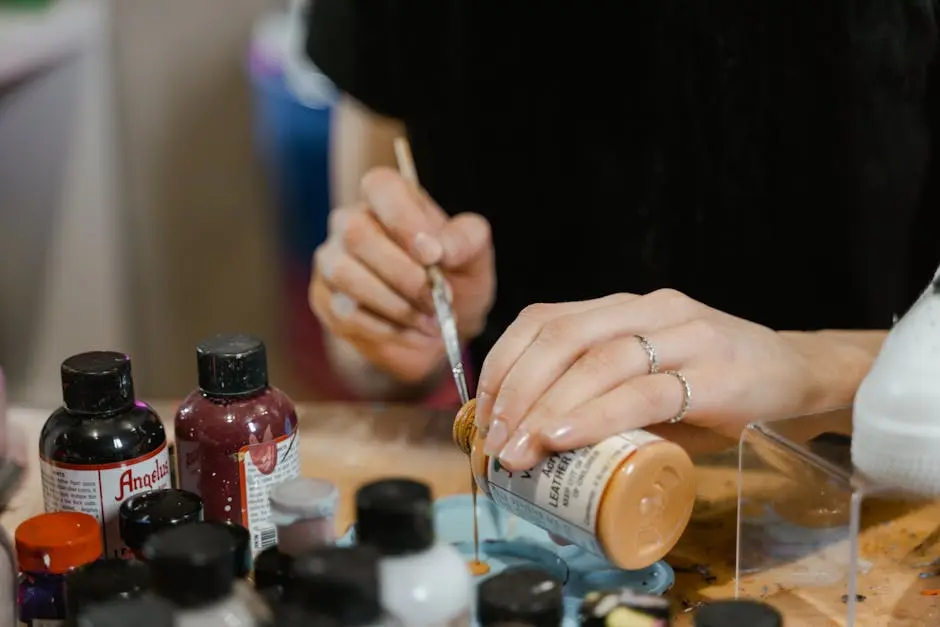
Investing in quality acrylic paints can drastically improve your artwork. These paints provide vibrant colors, excellent coverage, and stunning finishes. Not all paints are created equal, so look for professional-grade options that boast higher concentrations of pigment. This will not only enhance the richness of your colors but also make blending easier. Remember, the variety in your color palette is just as important as the quality of the individual paints!
Additionally, consider experimenting with different brands. Some might offer unique textures or drying times that could inspire new techniques. Don't shy away from trying out iridescent or metallic acrylics for added flair. The right paint can transform your vision into breathtaking artwork that can captivate any audience.
2. Variety of Brushes
Different brush shapes and sizes help create unique textures and effects in your paintings. Be sure to have a range of brushes from fine detail to broad strokes. Flat brushes are perfect for bold, sweeping strokes, while round brushes allow for precision and detailing, ideal for intricate designs. Don't forget fan brushes, which can create interesting textures in foliage and other natural elements.
Furthermore, it's crucial to take care of your brushes. Proper cleaning and handling can extend their lifespan and maintain their performance. Investing in a good variety of synthetic and natural hair brushes will offer versatility, providing options for both heavy body and fluid acrylics. A well-equipped brush collection will empower your creativity and lead to more exciting results in your acrylic painting adventures!
3. Palette for Mixing Colors
A sturdy palette is a must-have for any painter. It allows you to mix and experiment with colors before applying them to your canvas. A traditional wooden palette is an artist's favorite, but you might also explore plastic and glass palettes, each offering unique advantages. For example, glass palettes are easy to clean and offer a beautiful surface for color mixing.
Moreover, consider investing in a palette with a sectioned design, which can help organize your colors. This way, you can keep your primary colors separate from your mixed shades, reducing the time spent searching for the right hue. Always remember that your palette can be a reflection of your style—bold, bright colors on display can even inspire your painting process!
4. Canvas or Canvas Boards
Choosing the right surface is key to a successful painting. You can select traditional canvas or boards tailored for acrylics. Pre-stretched canvases save time, while canvas boards are often more affordable and easier to transport. Don't overlook the importance of texture, as the weave of your canvas can affect the final outcome of your artwork. A smoother surface works well for detailed work, while a heavily textured canvas allows for more expressive brush strokes.
As you experiment with different surfaces, consider your style and the techniques you enjoy using. Different surfaces can offer new challenges and inspire you to push your artistic boundaries in the process. Ultimately, your choice of support will significantly impact your work, so don't hesitate to try out a variety of options until you find what resonates best with you.
5. Easel for Support
An adjustable easel provides a comfortable working height and angle, allowing you to focus on your painting without strain. Different types of easels cater to various preferences and styles; whether a portable tabletop easel or a sturdy studio model, finding one that fits your space and workflow is essential. An easel also allows for the adjustment of your canvas, making it easy to switch between sitting and standing as you paint.
Moreover, a good easel can inspire creativity. Positioning your canvas at eye level can help you see your work from a new perspective, sparking fresh ideas. As you explore how different angles and heights can influence your painting style, you may uncover new techniques or styles that resonate with you. It's a small investment that can make a substantial difference in your overall painting experience!
6. Water Container for Cleaning
Keeping your brushes clean is vital for maintaining their shape and longevity. A simple water container will suffice for rinsing. However, consider using a container with a lid or a dedicated brush cleaning pot that keeps the water clean, preventing your art from mixing with dirty water mid-project.
Furthermore, freshly clean water allows for smoother transitions in your painting, enriching the colors and reducing muddiness. Investing in a good quality cleaning container can take a small detail, like rinsing brushes, and turn it into a seamless part of your creative workflow. Keeping a clean workspace is just as important as your creativity, ensuring clarity in both your process and your finished artwork.
7. Rags or Paper Towels
These are essential for quick clean-ups and wiping excess paint from your brushes, ensuring your work area remains tidy. Beyond mere practicality, having rags or paper towels at hand can significantly affect your efficiency as you paint. A roll of paper towels is easy to keep nearby, whereas rags can be reused and are often softer on your brushes.
Moreover, don't underestimate the creative possibilities! You can influence your artwork even when using rags, dabbing them into wet paint to add texture to your canvas. Experiment with the various shapes and sizes of your rags, as they can also add unexpected details to your artwork while keeping your hands and tools clean. A simple supply can serve a dual purpose—mastering such techniques can elevate your acrylic painting game.
8. Acrylic Mediums for Texture and Finish
Experimenting with acrylic mediums can add depth and dimension to your paintings. Mix them in to alter the finish or create unique textures. From glossy finishes to matte effects, acrylic mediums provide endless possibilities, enhancing your work's visual interest and emotional impact. In addition to standard mediums, there are also specialized gels and pastes that can create textured surfaces or increase thickness.
By incorporating these mediums into your process, you're gaining access to a new level of creativity. They can allow you to achieve effects that traditional paint cannot, opening opportunities for innovation in your art. Never hesitate to test out different mediums until you find what speaks to your artistic voice; the beauty lies in experimentation!
9. Palette Knives for Application
Palette knives are versatile tools for applying paint and creating texture. They can produce sharp edges and interesting layering effects. A palette knife's flat blade allows you to spread paint more evenly than a brush, making it ideal for backgrounds or larger areas in your work.
Additionally, experimenting with different techniques using a palette knife can bring a dynamic feel to your acrylic paintings. Use the knife to scrape away layers for an exciting textured finish, or mix colors directly on your canvas for beautiful variations. As you explore the capabilities of a palette knife, you'll discover how essential they are to achieving the multidimensionality that most acrylic artists strive for.
10. Varnish for Protection
Once your painting is complete, applying varnish will help protect your artwork from dust and fading, preserving vibrant colors for years to come. Varnishing is not just a final touch; it significantly affects how your piece is displayed and perceived. There are various types of varnishes available, including glossy and satin finishes, allowing you to choose the best fit for your artwork’s style.
Moreover, varnishing can unify your painting’s finish, enhancing the depth of color and ensuring consistent sheen across the canvas. Remember to allow your work to fully dry before applying varnish for the best results. Embrace this final step as a crucial part of the painting process that elevates your finished piece to a new level!
11. Protective Apron
A protective apron helps to keep your clothes free from paint splatters, allowing you to focus fully on your creative process. While it may seem like a small item, an apron can change the way you experience painting. Choose one made from durable material that can handle the rigors of acrylic painting, protecting you from spills and drips.
Additionally, an apron can have pockets, further enhancing functionality by giving you a place to store brushes or tools for easy access. Wearing your apron can also create a mental association with your art practice, helping you shift into a creative mindset when you don it. So don’t underestimate the power of this practical tool; it’s part of your artist identity!
12. Reference Images for Inspiration
Reference images are invaluable for guiding your artwork. Whether digital or printed, they can provide inspiration and help with proportions. Surrounding yourself with visual references allows you to study colors, lighting, and even compositions that resonate with your artistic style. This practice can help you grow as an artist, ultimately enhancing your understanding of what works well in your paintings.
Don't limit yourself to one style or medium when collecting reference images—diversify your sources across multiple genres to inspire new ideas. As you draw from various influences, you'll bring a unique blend of styles and concepts to your own work. By regularly seeking inspiration from reference images, your acrylic paintings can consistently evolve, leading to fresh perspectives and captivating creations.
13. Sketchbook for Ideas
A sketchbook is essential for jotting down ideas, practicing techniques, and brainstorming your next masterpiece before diving into paint. This space is unique—it's where raw thoughts can transform into exciting concepts. Regularly sketching keeps your creative juices flowing and helps develop a habit of visual exploration that can directly translate into your acrylic work.
Moreover, use your sketchbook as a playground for experimenting with composition, color schemes, and styles. Having a dedicated space for ideas enables you to take creative risks without fear of 'messing up' a canvas. Ultimately, your sketchbook can support a meaningful dialogue between yourself and your art, paving the way for growth in both skill and confidence.
14. Lighting Equipment for Visibility
Proper lighting ensures you can see true colors and details while painting. A good light source can improve your overall painting experience. Natural light is ideal, but it's not always available, especially when inspiration strikes late at night. Consider investing in daylight-equivalent bulbs or adjustable lamps to create an effective workspace, reducing shadows and allowing you to see the nuances in your colors accurately.
Additionally, proper lighting can affect your mood and focus when painting. Bright, even light can invigorate your space, while softer lighting may be more conducive to calm, contemplative sessions. Strive to create an environment that nurtures your creativity; the right lighting can help set that tone, enhancing not only your vision but also your overall enjoyment in the acrylic painting process!
15. Online Tutorials for Learning
Utilizing online tutorials can help you learn new techniques and refine your skills. There’s a wealth of information available at your fingertips! From step-by-step video guides to detailed blog posts, you can explore various styles and approaches to acrylic painting, igniting your enthusiasm and motivating you to try new things.
Moreover, many artists share their tips and tricks through online resources, fostering a sense of community among painters. Engaging with fellow artists allows you to receive feedback, encouragement, and inspiration. Don't miss the opportunity to immerse yourself in this digital art space, as it can profoundly enhance your acrylic painting experience, leading to growth and innovation in your practice.