

Understanding the Emotional Impact of Narrative Art
Jan 27, 2025
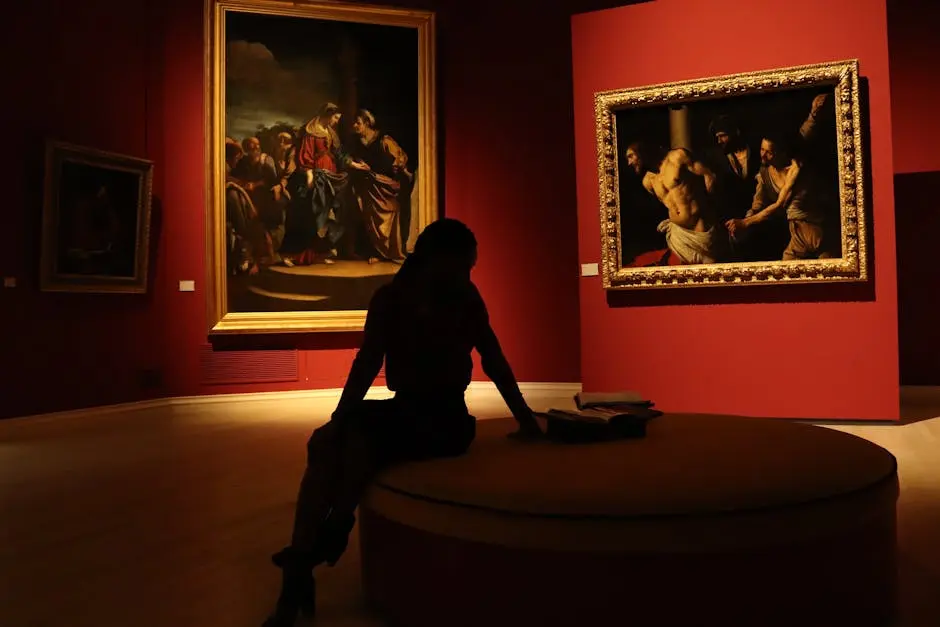
The Definition and Significance of Narrative Art
Narrative art, at its core, is a form of visual storytelling. It can convey tales, cultural heritage, and personal experiences. Understanding its significance helps us appreciate how art can communicate complex emotions that words sometimes cannot express.
Through the ages, narrative art has remained an essential aspect of human culture. From ancient murals to contemporary installations, each piece serves as a window into the artist's psyche and the values of the society they represent. This context makes it possible for audiences to relate to the work on a personal level, often sparking memories or feelings that are uniquely their own.
Moreover, narrative art transcends language barriers. Even for those who may not speak the same language as the artist, the universal themes of love, loss, and triumph can be felt. This ability to communicate across cultures and experiences is what makes narrative art so significant and powerful.
Exploring the Emotions Behind the Scenes
Every piece of narrative art has an emotional backdrop—whether it’s joy, sorrow, or nostalgia. In this section, we will dive into the emotions that artists infuse into their work and how those feelings resonate with viewers.
The artist's brush stroke can be an emotional one; a swift stroke may represent urgency, while a gentle touch may convey tenderness. As we analyze various narrative art pieces, we uncover layers of emotion embedded within, often leading us to reflect on our own experiences and feelings.
Additionally, the viewer’s emotional journey is equally critical. When we engage with art, we bravely expose our feelings, allowing the artwork to echo our own personal stories. This interplay between the artist's intention and the viewer's interpretation is where the true magic of narrative art lies, igniting both empathy and connection.
Cultural Influences on Narrative Art
Different cultures provide various lenses through which narrative art can be interpreted. This section will examine how cultural contexts influence the way stories are told visually and the emotions they evoke, creating a richer dialogue between the artwork and the viewer.
Each culture brings its own history, beliefs, and motifs to the canvas. For example, African narrative art often tells stories of community and ancestry, while Asian artists may focus on balance and spirituality. This cultural enrichment not only enhances the aesthetic appeal of narrative art but also deepens its emotional impact.
Furthermore, understanding cultural contexts can inspire compassion and tolerance. Encountering narrative art from unfamiliar cultures widens our horizons and enriches our emotional experiences. It encourages us to consider perspectives that may differ from our own, ultimately fostering a more inclusive understanding of humanity.
The Psychological Effects of Engaging with Narrative Art
Engaging with narrative art can have profound psychological effects, from healing to self-discovery. We'll discuss the therapeutic benefits of experiencing narrative art and how it can facilitate emotional release and reflection.
This engagement often acts as a mirror, reflecting our own emotions back at us. Whether it’s through a serene landscape or a chaotic expressionist piece, art invites us to confront our feelings. In doing so, we might discover something new about ourselves, leading to personal growth and a deeper understanding of our own emotional landscape.
Moreover, narrative art can be a powerful tool for healing. Many find solace in creating or viewing art, especially during difficult times. It allows individuals to process their emotions in a safe space, initiating catharsis and recovery. By encouraging us to explore our vulnerabilities, narrative art becomes a vital part of our emotional well-being.
Case Studies: Iconic Works of Narrative Art
To better understand the emotional impact, we'll look at a few iconic works of narrative art. Analyzing these pieces will help illustrate how artists effectively convey emotions and stories through their unique styles.
Take, for example, Van Gogh's 'Starry Night.' The swirling skies create a sense of turbulence yet also convey a deep yearning for peace. Viewers are often left reflecting on their own feelings of isolation or hope, making it a quintessential piece of narrative art that resonates across time and culture.
Another powerful example is Frida Kahlo's works, which are steeped in personal and cultural narratives. Her self-portraits often depict her struggles and triumphs, speaking volumes about identity and pain. Each brush stroke is laden with emotion, drawing viewers into an authentic understanding of her experiences.
Through these case studies, we can appreciate not just the technical prowess of these artists, but the emotional depths they explore. These works remind us why narrative art holds such a beloved place in our hearts and minds—because they evoke feelings that resonate universally and timelessly.
Wrapping Up the Emotional Journey
In conclusion, narrative art is not just a visual medium; it's a powerful tool for emotional expression and connection. By examining the stories behind these artworks, we can gain a deeper appreciation for the emotions they evoke and the experiences they reflect. As we engage with narrative art, let us continue to explore the ways it shapes our understanding of ourselves and the world around us.