

The Beauty of Nature Through Figurative Art
Feb 10, 2025
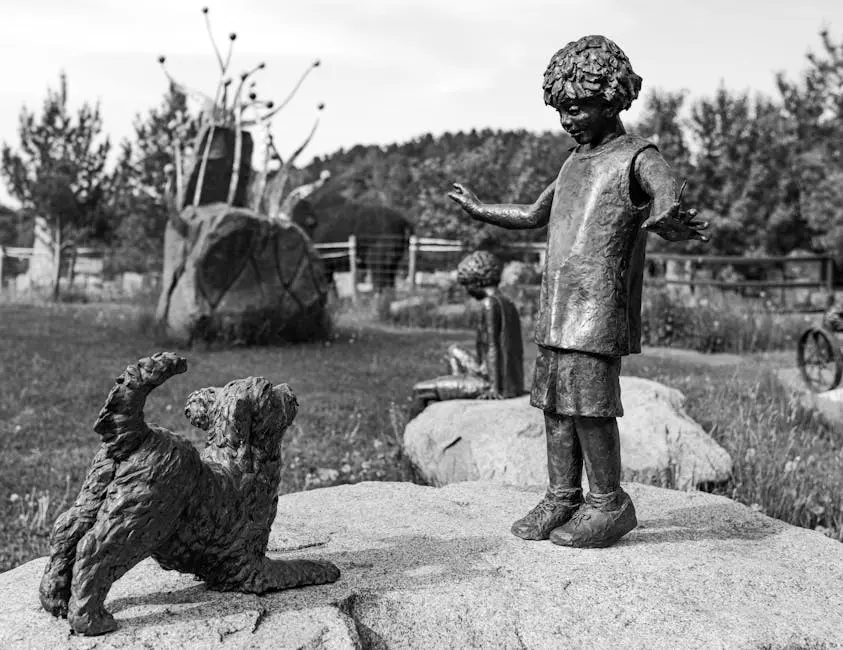
What is Figurative Art?
Figurative art focuses on representing real-life objects and figures. While it often depicts the human form and emotions, it also encompasses natural elements that can enhance our understanding of humanity and the world we inhabit. The blend of human subjects with nature not only illustrates the physical world but also serves as a metaphorical bridge linking our emotional experiences with the beauty that surrounds us.
At its core, figurative art reflects the essence of reality, but it encompasses a broad range of styles and interpretations. From classical realism to contemporary abstractions, artists have always sought to explore the nuances of human experience. As you dive into this world, you will find that figurative art can prompt conversations about identity, universality, and the deep-seated connection that mankind shares with nature.
The Connection Between Nature and Figurative Art
Nature has always served as a significant source of inspiration for artists. Its intricate patterns, vibrant colors, and dynamic forms provide endless opportunities for exploration. In this portion of the blog, we will delve into how natural landscapes, flora, and fauna are interwoven into figurative works, creating a dialogue between the artist and the natural world. This relationship often reveals itself when artists depict a sense of place, using the environment to tell stories about the human condition.
Imagine a painting that captures the warmth of golden sunlight filtering through lush trees, illuminating the figures within. Here, the viewer is invited to connect not only with the individuals presented but also with the beauty of the surroundings. It's in these moments that nature becomes an essential character in the artwork, enriching the narrative and evoking feelings of serenity and introspection.
Moreover, this connection can also be seen in how artists respond to ecological themes. Many contemporary figurative artists incorporate elements of nature to comment on environmental issues, serving as advocates for conservation. By intertwining their figures with the landscapes they love, these artists challenge the viewer to appreciate the delicate balance between humanity and the environment, igniting a deeper awareness of our place within the natural world.
Famous Artists Who Captured Nature Through Figurative Art
Throughout history, many artists have skillfully combined figures with natural elements. This section will spotlight a few renowned artists who successfully celebrated nature in their figurative works and discuss the techniques they used to achieve this harmony. One of the masters of this blend is Vincent van Gogh, whose iconic use of color and texture brings the natural world to life. He often painted figures amid fields of flowers or under swirling starry skies, evoking both a sense of turmoil and tranquility.
Another notable artist is Gustav Klimt, who uniquely fused decorative motifs with human forms. Klimt's works illustrate the interconnectivity of humanity and nature, as seen in his famous 'The Kiss,' where flowing patterns echo organic forms, suggesting a relationship with the natural environment. His ability to blur the boundaries between the figure and the surrounding landscape invites viewers to reflect on how we are often shaped by the world around us.
Moreover, contemporary artists like Kehinde Wiley challenge societal norms by embedding figures within richly detailed natural backgrounds. His portraits often feature young individuals intertwined with nature, highlighting the beauty of diverse identities while emphasizing our shared connection to the earth. These artists not only showcase their technical prowess but also evoke thought-provoking conversations about our relationship with the natural world.
Emotional Reactions to Nature in Figurative Art
Art has the power to evoke emotions. Here, we will explore how figurative art can connect viewers to nature on an emotional level, often leading to feelings of nostalgia, wonder, or tranquility. It's fascinating to consider how an artist's interpretation can resonate so deeply, allowing viewers to experience moments captured in time. When we see a figure intertwined with nature, it can bring forth memories of our own interactions with the environment—perhaps a childhood moment spent in a vibrant field or a serene afternoon by a lake.
We will also consider the psychological impact of encountering nature through art. Studies have shown that viewing nature-inspired art can lead to decreased stress levels and enhanced well-being. The mere presence of natural elements within figurative art can transport us to peaceful environments, offering a momentary escape from the hustle and bustle of life. Artists are, in essence, our guides, leading us to moments of reflection and connection with the beauty that often goes unnoticed.
How to Appreciate Figurative Art Depicting Nature
Understanding figurative art can enhance your appreciation for both the artwork and the natural beauty it represents. In this section, we will provide tips on how to engage with figurative pieces, including what to look for, questions to consider, and ways to interpret the connection between figures and nature. Start by examining the emotions conveyed by the figures. What feelings do they evoke? Are they in harmony with their surroundings, or do they seem to contrast with the natural elements depicted?
Next, pay attention to the colors and textures used throughout the artwork. Artists often select color palettes that reflect the emotions of the scene. Warm tones may suggest joy or comfort, while cooler shades might evoke calm or melancholy. Consider how these choices influence your perception of both the figures and their natural environment. Engaging with the artwork in this manner opens up a dialogue between you and the piece, allowing for a deeper understanding of the artist's intentions.
Lastly, don’t hesitate to explore the historical and cultural context behind the artwork. Understanding the time in which it was created can provide insight into the themes addressed and the significance of nature within that period. For example, did an artist incorporate figurative elements to respond to a specific ecological crisis? This awareness can deepen your connection to the artwork, making your viewing experience all the more enriching.
Through figurative art, we gain a unique lens through which to appreciate the beauty of nature. These artistic interpretations not only inspire admiration for the environment but also foster a deeper connection with the world around us. As we continue to explore and support figurative artists, we embrace the beauty they bring into our lives, reminding us to cherish the natural wonders that often go unnoticed.